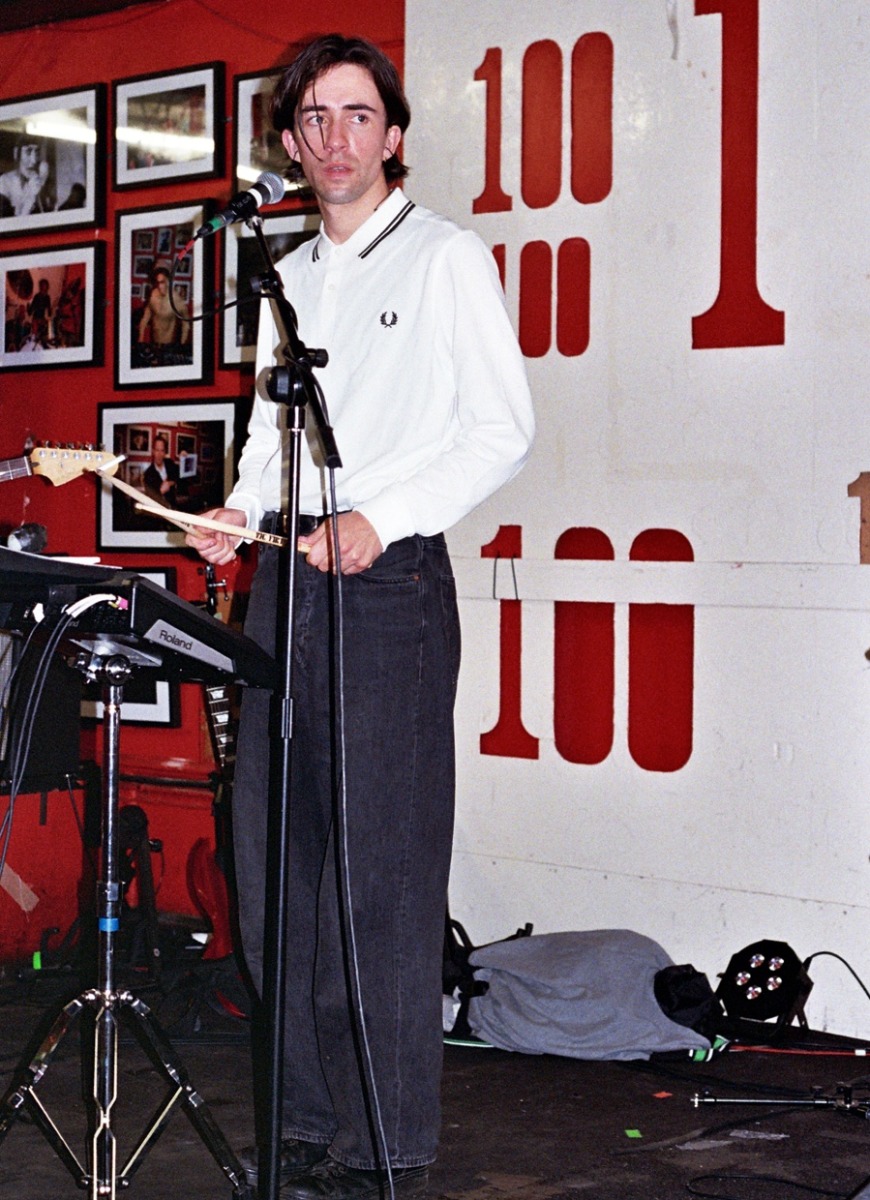
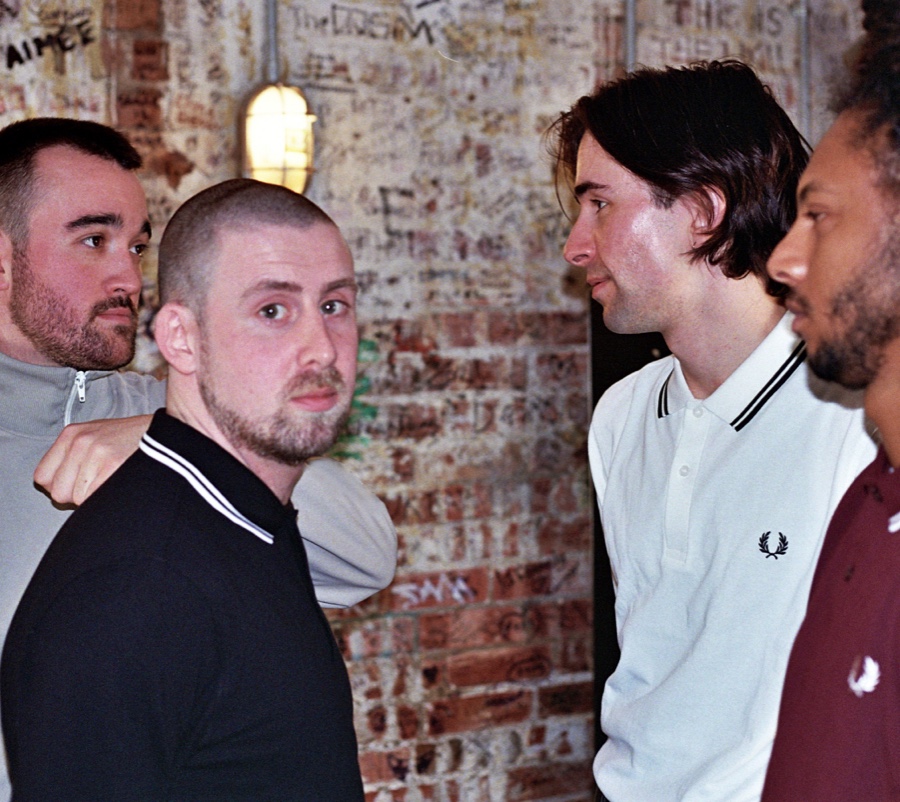
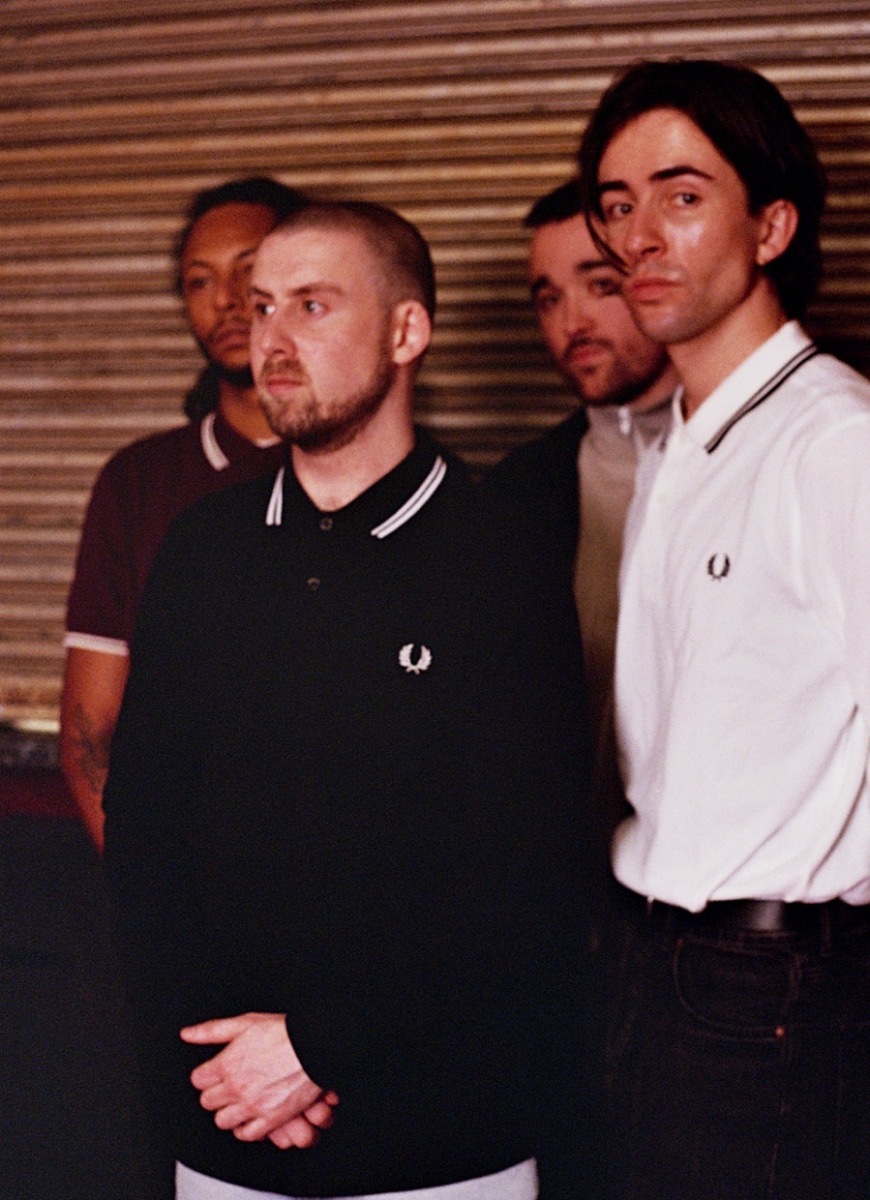
He estimates they earned £40,000 in fees by the end of that period, but they spent over 80% in travel, accommodation and basic living expenses. That left roughly £5000, “which is enough to hire a studio and buy lunch for a month… So you can focus on your creativity and not on your Monzo account.” But more recently, a winter 2021/22 tour of America cost them £20,000, leaving their band pot empty.
Cue some thinking outside of the box for Hard Times Furious Dancing: they workshopped the album, live, in front of 400 fans over two nights at Venue MOT, charging £12 a ticket “plus an unavoidable card fee”. And, now, to help bankroll their 2025 touring, they’re pimping out their free time in PT sessions and woodland rambles.
They’re not the only artists putting their bodies on the line. Late last year, ahead of a 13-date UK and Europe tour, Kate Nash launched her Butts for Tour Buses campaign. Signing up to an OnlyFans account, the singer-songwriter sold pictures of her, well, butt to fund her tour.
“I had five days in between two tours [to raise cash], and I genuinely was a bit stressed, feeling the financial pressure of touring and releasing a record in the same year,” explains an established artist with 17 years’ experience and over 100 million Spotify plays. “I had to let go of an employee for some European dates, and I hated having to do that. So I was like: would this idea be a crazy thing… or could I do it and make a punk statement?”
She went for it, and was upfront with her behind – a playful but pointed highlighting of the desperate measures being forced upon artists. Butts for Tour Buses went viral, splashing across the mainstream media, starting a conversation way beyond indie music circles, and propelling Nash all the way to the Houses of Parliament, where she performed at MVT's launch of this year’s report. More importantly, it worked. “It made me able to bring back the employee that I let go of for the rest of the tour dates, and to pay my invoices for the tour that were outstanding. And it's still financially supporting me.”
Two thumbs up to those artists who can, but not everyone is able to dress up in ghillie suits or dress down to their underwear to promote their music and their tours. So, while big hitters are handing down money from their stadium and arena tours, and while we wait for the music industry to sort out that levy, we are stepping forward with a hand up: this new series is here to shine a light on the local bands, local venues and local scenes that, ultimately, make for global phenomena.
And for all the challenges in the grassroots music sector Mark Davyd, certainly, is optimistic.
“Live music has never been more popular and more valued by people. The amount that people are prepared to pay for tickets, the number of shows that people are going to, the number of live music fans, have never been bigger. In the end, Britain is a music country. We love live music, and we will find solutions.” Mark Davyd
Or, as Georgia Davies said in her rallying cry during British music’s biggest night: “I want to say, to those artists who are playing independent venues all over the country tonight: keep going, because that’s the best kind of art there is. And in a time where art is under threat, that is the most important thing to keep supporting.”
We second that emotion.
Read Part 1